Africa Spiritual Healer

Momentous points of view to make you shine

  • Home
  • Business
  • Fashion
  • Real Estate
  • Health
  • Technology
  • Shopping
  • Finance

CategoryHealth

Accredited Pilates Instructor Training in Australia (What Actually Matters)

Posted on March 3, 2026March 3, 2026

Hot take: “Accredited” can mean genuinely industry-recognised… or it can mean a marketing word slapped on a brochure. If you’re putting real money and real time into becoming a Pilates instructor in Australia, you want the first kind.

And yes, you can absolutely build a credible career without getting lost in alphabet soup. You just need a framework to check legitimacy, scope, and portability before you hand over a cent.

One line that’ll save you months of headaches:

Get clear on who recognises your qualification, not just who sells it.

Accreditation: not a vibe, a verification system

At a practical level, accredited pilates training is about standardised competence. Not “you attended some workshops,” but “you’ve been assessed against defined outcomes, with consistent benchmarks.”

A decent accredited-style program (and I’m being picky on purpose) should prove you can:

– teach safely under fatigue, pressure, and mixed abilities

– cue effectively (and not just recite a script)

– assess movement and adapt sessions on the fly

– handle contraindications without panicking

– document, plan, and progress a client over time

Here’s the thing: studios hire for risk reduction. When a credential is trusted, it reduces the studio’s exposure, improves client outcomes, and makes your onboarding easier.

Also, accreditation culture forces continuing education. That’s not bureaucracy; it’s reality. Bodies change. Evidence shifts. “I learned this ten years ago” doesn’t protect clients.

Who “sets the standard” in Australia? It depends what you mean

This section gets messy because Australia has two overlapping worlds:

1) the national vocational education (VET) system (regulated)

2) the industry association / studio ecosystem (recognition-based, sometimes political)

The VET/regulatory lane (formal training delivery)

If you’re doing training through a Registered Training Organisation (RTO), the regulator you’ll see referenced is:

– ASQA (Australian Skills Quality Authority): regulates RTOs and compliance for nationally recognised training delivery.

ASQA doesn’t “approve Pilates instructors” in a direct, personal way. It ensures that organisations delivering national training meet standards.

The industry recognition lane (where jobs and insurance live)

You’ll also bump into:

– AusActive (previously Fitness Australia): a key industry body in the fitness space that influences how gyms and many employers interpret scope and “job-ready” credentials.

– Pilates industry associations (several exist, with different registration criteria and reputations).

Now, this won’t apply to everyone, but: if your goal is to work in mainstream fitness facilities, association recognition often matters as much as the certificate title.

What an accredited program should include (and what “fluff” looks like)

Some programs are beautifully structured. Others are basically: weekend modules + lots of “self-practice” hours + a certificate at the end.

A robust program usually includes a blend of:

Technical foundations

– functional anatomy and biomechanics (not just memorising muscle names)

– movement screening basics

– programming principles: regress/progress, load, fatigue, motor learning

Pilates-specific teaching skill

– repertoire breakdown (mat and/or equipment)

– cueing: verbal, visual, tactile (with boundaries and consent)

– class design for mixed levels (the real world is messy)

Risk, ethics, and professional practice

– contraindications and red flags

– documentation and client communication

– duty of care, privacy basics, professional boundaries

Assessment that actually tests teaching

Written exams are fine, but they’re not enough. You want observed teaching assessments with real humans, real variations, real mistakes.

In my experience, the giveaway is the assessment rubric. If a provider can’t show you how you’ll be graded, that’s not “flexible learning.” That’s vague accountability.

Hours, practicum, and the bit nobody wants to hear

Plenty of courses advertise a big number of hours. Cool. Ask what those hours are.

Look for a split like:

– contact/lecture time (live or interactive)

– supervised studio practice

– observed teaching practicum (assessed)

– independent practice (useful, but shouldn’t be the whole course)

If the majority of the “hours” are self-directed with no feedback loop, your confidence will lag behind your certificate.

One-line truth:

You don’t learn cueing from PDFs.

A quick stat, because budgets are real

Costs vary wildly, but VET Student Loans give a clue about scale in the broader training market. For example, the Australian Government’s VET Student Loans program publishes annual data on approved courses and loan caps and participation (see the Department of Employment and Workplace Relations VET Student Loans publications: https://www.dewr.gov.au/vet-student-loans).

That’s not Pilates-specific by itself, but it’s a useful reference point for how formal training gets funded and what “recognised” often aligns with.

How to judge course quality (without becoming a detective)

1) Content depth: does it build like a system?

You want progression. Foundations → integration → complexity. If “advanced” exercises show up before alignment, breathing mechanics, and pelvis/ribcage control are taught properly, run.

A solid curriculum maps outcomes to skills. It’s not just topics; it’s competencies.

2) Practical rigor: who watches you teach?

Ask bluntly:

– How many assessed teaching hours are required?

– Who assesses them, and what are their current credentials?

– What happens if you fail, remediation plan or “pay again and hope”?

Look, I’m not against people needing more time. I’m against providers pretending everyone’s ready on the same timeline.

3) Certification standards: will studios actually respect it?

Don’t rely on provider testimonials. Call three local studios you’d want to work for and ask:

– “Do you hire instructors with this qualification?”

– “Do you require association registration?”

– “Do you require reformer certification separately from mat?”

That 10-minute phone call can save you a year.

Costs + time: realistic planning (not fantasy scheduling)

Some people smash out training quickly. Most don’t, because life happens and teaching takes repetition.

Expect your total spend to include:

– course fees (the obvious part)

– manuals/materials

– exam and reassessment fees (sometimes hidden)

– studio practice sessions (paid sessions if you don’t have equipment access)

– insurance and association registration (once you start working)

Time commitment depends on delivery mode, but part-time pathways commonly stretch across many months, often longer once you factor in practicum scheduling and assessment availability.

I’ve seen learners choose a “faster” course and still take longer than expected because they couldn’t get enough supervised practice hours booked. Speed on paper doesn’t always equal speed in real life

Portability across Australia: the boring admin that protects your future

If you’re moving between states, “portability” is less about a formal licence transfer (Pilates isn’t uniformly state-licensed like some trades) and more about recognition and insurability.

To keep your credentials portable, keep a clean paper trail:

– statement of attainment / certificate details

– logged practicum hours (signed, dated)

– assessment outcomes (rubrics or summaries)

– CPD/CEC records and receipts

Also check:
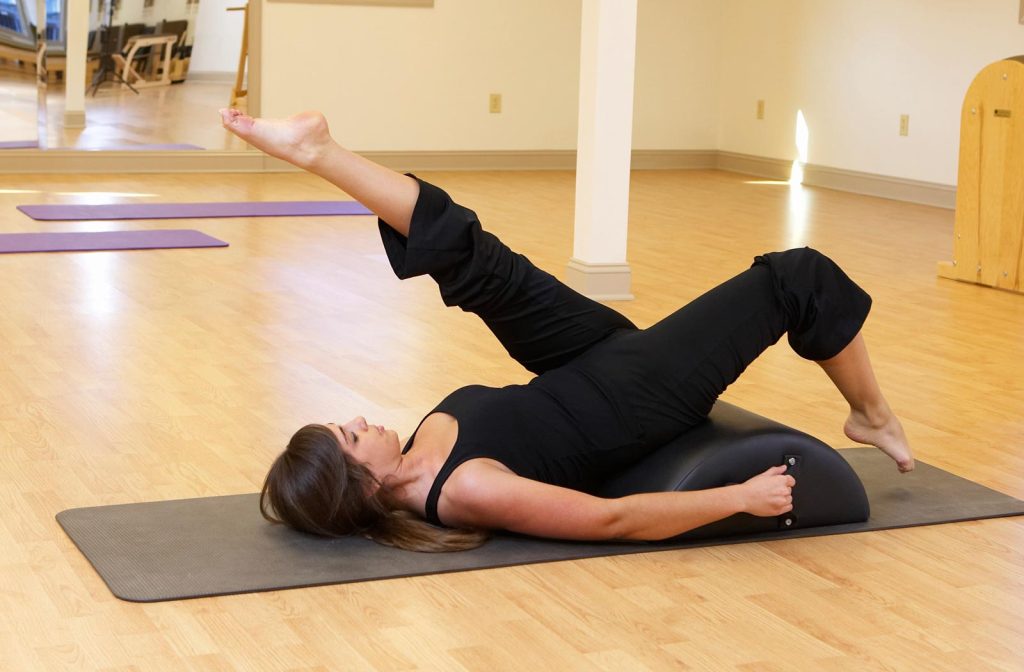
leading pilates studio in Geelong

– scope of practice expectations where you’re going (some studios are strict)

– insurer requirements (they often care about supervised hours and the nature of training)

– whether your credential aligns with association registration categories

A provider that can’t give you clear documentation is quietly making your future job applications harder.

Picking a provider (the “fit” question isn’t fluffy)

Some people choose based on price. Some choose based on aesthetics (Pilates branding is powerful). I choose based on teaching outcomes.

What I like to see:

– transparent assessment structure and pass criteria

– small enough ratios that you actually get corrected (a lot)

– mentors who still teach clients weekly, not just train trainers

– equipment access and a plan for your practice time

– a clear scope: mat only, reformer, comprehensive, pre/postnatal, rehab-adjacent, spelled out

Online learning can work for theory. For skill? Hybrid models tend to produce stronger instructors, assuming the in-person component is frequent and properly supervised.

After certification: you’re qualified, but are you ready?

The first six months of teaching is where instructors are made.

Do this early:

– shadow classes (ask permission, be useful, take notes)

– write class plans, then rewrite them after you teach

– build a cue bank for common faults (ribs flaring, pelvis dumping, shoulder elevation, grip tension)

– get feedback from someone who’s not your best friend

Choose a niche once your fundamentals are stable. Reformer small-group, mat for general fitness, athletic conditioning, pre/postnatal, older adults… all viable. The niche doesn’t make you good; your standards do.

And yes, keep your insurance and boundaries tight. Pilates can feel intimate (hands-on cueing, personal histories, pain stories). Professionalism is part of safety.

If you want a simple rule to steer by: pick training that would still look credible if you had to explain it to a cautious studio owner, a nervous client, and an insurer on the same day. That’s the bar.

Heel Pain Treatment Options (and what actually works)

Posted on March 2, 2026March 3, 2026

Heel pain has a special talent: it turns “normal day” into “every step is a negotiation.” Sometimes it’s a mild annoyance. Sometimes it’s the kind of sharp, get-my-weight-off-this-foot sting that changes how you walk—and then your knee, hip, and back start complaining too.

One line for emphasis: Don’t ignore it and hope it’ll magically settle.


A quick reality check: what’s usually causing it?

Most heel pain in adults lives in a familiar neighborhood:

– Plantar fasciitis: irritation of the plantar fascia (that thick band under the foot). Classic pattern: worst with the first steps in the morning or after sitting.

– Insertional Achilles tendinopathy: pain at the back of the heel where the Achilles attaches. Different problem, different plan.

– Heel pad irritation / fat pad atrophy: feels like you’re “stepping on a bruise,” especially on hard floors.

– Stress reaction/fracture (less common, but serious): pain that ramps up with load and doesn’t behave like typical plantar fasciitis.

– Nerve involvement (Baxter’s nerve, tarsal tunnel): burning, tingling, weird zaps, sometimes mistaken for fascia pain.

Here’s the thing: people love to blame “heel spurs.” Spurs show up on X-ray all the time and often aren’t the true culprit. They’re more like a footprint of chronic traction than a guaranteed pain generator—so it’s worth focusing on evidence-based heel pain treatments that match the underlying cause.


The stuff you can do at home—before you spiral into gadget land

If your heel pain is new-ish and you can still walk, you can often calm it down with boring basics. Boring works.

Reduce the load for a couple weeks. That doesn’t mean becoming a couch ornament; it means dialing down the high-impact stuff that keeps poking the bear. Swap running for cycling, rowing, or swimming. Keep moving, just stop provoking it.

Then get specific:


Your “do this now” checklist

– Ice for symptom control: 10–20 minutes after activity or at day’s end.

– Supportive shoes indoors and outdoors (yes, indoors too). Hard floors + barefoot is a heel-pain amplifier.

– Gentle calf stretching daily. Tight calves increase tension through the foot.

– Plantar fascia stretch (especially before first steps in the morning).

– Short-term NSAIDs if you can take them safely and your clinician agrees; they can help with pain control, not “fix” tissue.

Now, this won’t apply to everyone, but: if the pain is worst on your first steps, a night splint can be a game-changer. Awkward, unsexy, effective.


Hot take: your shoes are probably sabotaging you

I’ve seen people spend months doing stretches while continuing to wear flattened-out sneakers or minimalist shoes on unforgiving surfaces. That’s like bailing water while the tap is still running.

What you want, at least during the flare:

– A stable heel counter (the back of the shoe shouldn’t collapse)

– Some cushioning under the heel

– Mild-to-moderate arch support (not a medieval torture device)

– A slight heel-to-toe drop can reduce Achilles strain for some people

Orthotics? Sometimes. Over-the-counter inserts help many. Custom devices can be great when biomechanics are clearly part of the problem (high mileage, unusual foot structure, repeated recurrence), but they’re not mandatory for everyone.


When should you stop self-managing and get help?

If you’ve been limping along for weeks, you’re not “tough,” you’re just practicing a bad gait pattern.

Get evaluated if any of these show up:

– Pain persists beyond 2–3 weeks despite sensible load reduction and shoe changes

– You can’t bear weight normally

– There’s significant swelling, redness, warmth, or fever

– Pain began after a clear injury (twist, fall, sudden pop)

– Night pain, unexplained weight loss, or symptoms that feel nerve-like (burning/tingling)

A clinician isn’t there to hand you a generic handout. A good one will narrow the diagnosis, check for referred pain, and help you stop guessing.


Conservative treatments that actually have a track record

This is where the “specialist briefing” voice comes in.

For plantar fasciitis and related overuse heel pain, conservative care usually targets four things: load management, tissue capacity, mechanics, and pain modulation.

Physical therapy often does the heavy lifting: strengthening the intrinsic foot muscles, progressive calf loading, hip control, and gait tweaks. Stretching alone can feel good, but strengthening changes the longer-term story.

Taping is underrated, by the way. A simple low-dye or fascia-support tape job can provide immediate feedback—if it helps a lot, that tells you something about mechanical contributors.

And a single data point, because it matters: Plantar fasciitis is common—estimates often land around ~10% lifetime incidence. A frequently cited review is in BMJ Clinical Evidence (2015), which discusses prevalence and the typically self-limiting nature over time, though “self-limiting” can still mean many irritating months.


Advanced options when it just won’t quit


If you’ve done the right conservative work—consistently—for long enough (think 6–12 weeks minimum, often longer) and you’re stuck, advanced therapies can be reasonable.


Extracorporeal Shockwave Therapy (ESWT)

Non-invasive, uses acoustic waves to stimulate healing response. Results vary, but I’ve seen it help stubborn plantar fascia cases that plateau with rehab alone. It’s not magic. It’s a nudge.


Platelet-Rich Plasma (PRP)

Uses your own blood, concentrates platelets/growth factors, injects into the affected area. Evidence is mixed depending on protocol and diagnosis, and it’s more invasive (and often pricier). In the right patient, it can be useful—especially when degenerative changes are suspected rather than pure inflammation.


Imaging-guided injections (cortisone and others)

Corticosteroid injections can reduce pain quickly, but they’re a trade-off. Too many, or poorly placed, can risk tissue weakening (and plantar fascia rupture is not the plot twist you want). If an injection is on the table, I prefer it done with ultrasound guidance and paired with a rehab plan, not used as a standalone “reset.”


Surgery: not the villain, but definitely not Plan A

Surgery enters the conversation when:

– Symptoms persist after extended, structured conservative care

– Function is significantly limited

– Diagnosis is clear (and confirmed—sometimes with imaging)

Two common categories:

Plantar fascia release

Partial release reduces tension. It can work, but over-release can destabilize the foot’s arch mechanics. Surgeons who do this well tend to be conservative in how much they release.

Achilles procedures (debridement, repair, calcaneal work)

Used for insertional Achilles tendinopathy or calcific changes that don’t respond to rehab. Recovery is longer and more involved than most people expect.

Rehab after surgery is not optional. You’ll manage swelling early, then gradually rebuild strength and restore mechanics. Footwear changes and orthotic support often matter more post-op than people want to admit.


Preventing the sequel (because heel pain loves sequels)


If you want fewer flare-ups, think like an engineer: reduce repeated stress spikes and raise your tissue tolerance.

A few habits that pay off:

– Rotate shoes; don’t wear the same compressed pair daily

– Increase running or walking volume gradually (your fascia hates sudden promotions)

– Keep calf strength and ankle mobility in your routine year-round

– Avoid long stretches of barefoot time on hard floors

– Treat “mild morning pain” as an early warning, not background noise

Look, heel pain can be stubborn. But it’s also usually workable when you stop guessing, match the treatment to the actual diagnosis, and give the tissue a realistic timeline to settle down.

Expert Home Care Ensuring Comfort, Security, and Well-Being

Posted on January 12, 2026January 19, 2026

Providing compassionate support at home is more important than ever, especially for seniors who wish to maintain independence while enjoying a safe and nurturing environment. An in-home senior care plays a pivotal role in ensuring that loved ones experience comfort, security, and overall well-being every day. By combining professional expertise with personalized attention, expert home care allows seniors to live fulfilling lives while families gain peace of mind.

Personalized Care Tailored to Individual Needs

One of the hallmarks of expert home care is its focus on personalization. Every senior has unique routines, preferences, and health requirements, and professional caregivers are trained to adapt their support accordingly. Key features include:

  • Customized daily routines that respect personal preferences
  • Assistance with mobility and daily activities to promote independence
  • Medication reminders and health monitoring for consistent wellness
  • Nutritionally balanced meal planning to support overall health

By providing care that is both professional and personalized, seniors can enjoy a lifestyle that is comfortable and meaningful.

Creating a Safe and Secure Environment

Safety is a top priority in any home care plan. Expert caregivers proactively identify potential hazards and implement measures to prevent accidents. Services often include:

  • Fall prevention strategies such as home modifications and mobility aids
  • 24/7 supervision options for those with higher needs
  • Emergency response planning to handle unexpected situations calmly
  • Regular health assessments to detect issues early

These precautions allow seniors to thrive in a secure environment, while family members can trust that their loved ones are in capable hands.

Promoting Emotional Well-Being and Joy

Beyond physical support, expert home care nurtures emotional health and happiness. Social connection, meaningful engagement, and compassionate companionship are integral components:

  • Friendly companionship to reduce feelings of loneliness
  • Recreational and cognitive activities tailored to interests
  • Encouragement of social participation through community involvement
  • Supportive communication that fosters dignity and respect

These approaches ensure that seniors not only feel cared for but also experience joy and confidence in their daily lives.

Benefits for Families

Families also experience peace of mind knowing that professional caregivers are supporting their loved ones. With in-home senior care, families can maintain their work-life balance and enjoy quality time together without the constant worry of daily supervision. Expert home care is a holistic approach that combines comfort, security, and emotional support, allowing seniors to live enriched, independent lives. Through dedicated, personalized attention, professional caregivers ensure every day is safe, meaningful, and filled with well-being.

Healthcare Support Scalable Staffing for Growing Care Demands

Posted on December 13, 2025December 16, 2025

Healthcare systems worldwide are facing unprecedented pressure due to rising patient volumes, workforce shortages, and evolving care models. As demand grows, organizations must adopt healthcare staffing msp that ensure continuity of care without compromising quality. Strategic staffing flexibility is no longer optional it is essential for sustainable healthcare operations.

Understanding Scalable Staffing in Healthcare

Scalable staffing refers to the ability to adjust workforce levels efficiently based on patient demand, seasonal trends, and operational needs. This approach allows healthcare providers to respond quickly to changes while maintaining compliance, safety, and service excellence.

Key elements of scalable staffing include:

  • Workforce flexibility across departments
  • Rapid onboarding and credentialing
  • Access to specialized and general healthcare professionals
  • Technology-enabled scheduling and workforce management

By implementing scalable staffing models, healthcare facilities can balance costs while ensuring patient-centered care.

Why Growing Care Demands Require Flexible Staffing

Healthcare demand is influenced by multiple factors such as aging populations, chronic disease prevalence, and unexpected public health challenges. Traditional fixed staffing models often fail to adapt to these fluctuations.

Scalable staffing helps organizations:

  • Reduce patient wait times during peak demand
  • Prevent staff burnout and turnover
  • Maintain optimal nurse-to-patient ratios
  • Ensure uninterrupted care delivery

This adaptability is critical for hospitals, clinics, long-term care facilities, and home healthcare providers.

Benefits of Scalable Healthcare Support Staffing

Adopting a scalable staffing strategy offers measurable operational and clinical advantages.

Operational Benefits

  • Cost control through demand-based staffing
  • Reduced overtime expenses
  • Improved workforce utilization
  • Faster response to staffing shortages

Clinical and Patient Care Benefits

  • Consistent quality of care
  • Improved patient satisfaction
  • Enhanced staff morale and performance
  • Better compliance with regulatory standards

These benefits collectively strengthen healthcare resilience in both routine and crisis scenarios.

Key Components of an Effective Scalable Staffing Strategy

To implement scalable staffing successfully, healthcare organizations must focus on strategic planning and infrastructure.

Important components include:

  • Workforce forecasting using data analytics
  • Cross-trained healthcare professionals
  • Streamlined hiring and credentialing processes
  • Digital scheduling and workforce platforms
  • Continuous performance monitoring

When aligned properly, these components enable seamless staffing transitions and improved care delivery.

The Role of Technology in Staffing Scalability

Technology plays a vital role in supporting scalable staffing models. Advanced workforce management tools allow healthcare leaders to analyze trends, predict demand, and allocate staff efficiently.

Technology-driven staffing solutions support:

  • Real-time workforce visibility
  • Automated scheduling and shift optimization
  • Predictive analytics for future demand
  • Compliance and credential tracking

These capabilities empower healthcare organizations to make informed staffing decisions quickly and accurately.

Preparing for the Future of Healthcare Staffing

As healthcare continues to evolve, scalable staffing will remain a cornerstone of operational success. Organizations that proactively invest in flexible staffing strategies are better equipped to manage growth, uncertainty, and patient expectations.

By prioritizing adaptability, workforce well-being, and data-driven decision-making, healthcare providers can meet growing care demands while delivering safe, efficient, and compassionate care.

Healing Starts Now: Take Charge of Your Recovery Journey

Posted on November 21, 2025November 24, 2025

Healing begins the moment you decide you deserve a better life. Recovery may seem difficult, but taking control of your journey gives you the strength to move forward. You don’t need everything figured out at once. What matters is the willingness to make one positive choice at a time. Each small step builds confidence and brings you closer to stability and peace. When you choose to take charge, you open the door to clarity, support, and a healthier future. Your recovery is personal, and the power to change starts within you, right now.

Understanding How Recovery Works

Recovery is not about perfection or quick fixes. It is about learning how to manage triggers, rebuild routines, and practice healthy habits that support long-term progress. Treatment programs guide you through these steps by offering structure and tools that help you stay grounded.

Key elements often include:

  • Individual counseling
  • Group discussions
  • Practical coping strategies
  • Continuous follow-up support

These steps work together to help you stay on track.

Clear Answers to Common Recovery Concerns

Is recovery really possible?

Yes. Many people rebuild their lives through steady effort, professional guidance, and personal commitment.

What if I feel overwhelmed?

Feeling overwhelmed is normal. Recovery becomes easier when you focus on small actions instead of the entire journey at once.

Do I need long-term support?

Ongoing support strengthens your progress and helps prevent setbacks.

Steps to Build a Strong Foundation

Taking charge means being active in your healing. These steps create structure and help you move forward with purpose:

  1. Set realistic goals

Start with goals you can manage. Progress grows from small achievements.

  1. Create healthy routines

Regular sleep, balanced meals, and calm spaces help your mind stay clear.

  1. Identify your triggers

Understanding what affects you reduces the chances of returning to old habits.

  1. Reach out for guidance

Support makes recovery smoother. You can explore useful resources like https://AddictionTreatments101.com to learn more about available options.

Habits That Make a Difference

Healing becomes easier when your daily actions support your stability.

Helpful habits include:

  • Deep-breathing exercises
  • Keeping a journal
  • Drinking more water
  • Going for short walks
  • Surrounding yourself with positive influences

These simple habits create emotional balance and help you stay focused.

Staying Strong through Challenges

Challenges will appear, but none of them are impossible to overcome. When you face stress, cravings, or emotional lows, remind yourself that these moments do not define your future. Use coping techniques, reach out for support, or engage in healthy distractions. Every time you choose strength, you reinforce your progress.

Your Recovery Is in Your Hands

Taking charge of your recovery is one of the most powerful decisions you can make. Healing begins with commitment, grows with support, and strengthens through daily effort. Each step you take proves your ability to move forward. Your journey matters and your healing can start right now.

Left rib pain solutions with common causes and effective relief methods

Posted on September 10, 2025September 9, 2025

Experiencing pain under the left rib can be uncomfortable and worrying. This type of discomfort can range from mild and occasional to sharp and persistent. Understanding the causes is important to address the issue properly. Pain in this area can arise from several sources, including muscles, bones, internal organs, or digestive problems. Identifying the root cause helps in choosing the right treatment and relief methods. Simple lifestyle adjustments and home remedies often provide relief, but persistent or severe pain should always be checked by a healthcare professional.

Common Causes of Left Rib Pain

  1. Muscle Strain – Overuse of chest or back muscles can lead to soreness or sharp pain around the left rib. This is common after heavy lifting, exercise, or sudden movements.
  2. Rib Injury – A direct injury such as a fall, bump, or accident can cause bruising or fractures, leading to significant discomfort.
  3. Digestive Issues – Problems like acid reflux, gastritis, or gas buildup can create pain under the left rib. The discomfort may worsen after eating certain foods.
  4. Heart-Related Causes – Although less common, pain in the left rib area can sometimes signal heart problems. Chest pressure, shortness of breath, or radiating pain to the arm or jaw needs immediate attention.
  5. Spleen Problems – The spleen is located under the left rib cage, and conditions such as enlargement or injury can cause pain.
  6. Other Causes – Conditions like pneumonia, pleurisy inflammation of lung lining, or kidney stones may also present as left rib pain.

Effective Relief Methods

  • Rest and Gentle Movement – Avoid strenuous activity and allow the muscles and ribs to heal. Gentle stretching can reduce stiffness.
  • Cold and Heat Therapy – Applying a cold pack for 15–20 minutes helps reduce inflammation from injury, while heat therapy can relax tense muscles.
  • Pain Relief Measures – Over-the-counter pain relief options can reduce discomfort, but should be used as directed.
  • Supportive Posture – Maintaining proper posture during sitting, standing, and sleeping can prevent muscle strain and reduce pain.
  • Diet Adjustments – For digestive-related pain, avoiding spicy, fatty, or gas-producing foods can help ease discomfort. Eating smaller, frequent meals is beneficial.
  • Hydration and Light Exercise – Staying hydrated and doing light walks can improve digestion and reduce muscle stiffness.

When to See a Doctor

Seek immediate medical attention if left rib pain is severe, persistent, or accompanied by symptoms such as shortness of breath, dizziness, chest pressure, or nausea. Early diagnosis is crucial, especially if the pain originates from the heart, spleen, or lungs.

Summary

Left rib pain can result from muscle strain, injury, digestive problems, or more serious internal issues. Simple steps like rest, porque duele debajo de la costilla izquierda proper posture, heat or cold therapy, and diet adjustments often provide relief. Recognizing the cause and responding appropriately is key to managing discomfort effectively. Persistent or intense pain should never be ignored, as timely medical evaluation can prevent complications.

How Lymphatic Drainage Massage in Edinburgh Boosts Immunity and Reduces Swelling

Posted on August 25, 2025August 29, 2025

Looking for ways to give your immune system a helping hand or ease some stubborn swelling? Lymphatic drainage massage in Edinburgh might be just what you need. This gentle, soothing treatment encourages your body’s natural detox process and helps you feel lighter and healthier. But how does it actually work, and what can you expect? Let’s break it down.

 What’s the Lymphatic System, Anyway?


Think of your lymphatic system as your body’s personal cleaning crew and security team rolled into one. It:

– Moves lymph fluid (full of white blood cells) around your body

– Filters out harmful stuff through your lymph nodes

– Helps fight off infections and illnesses

– Keeps your body’s fluid levels in check

When your lymphatic system is running smoothly, it sweeps away toxins and excess fluids, leaving you feeling less puffy and more energetic. If things slow down, though, you might notice swelling, fatigue, or just not feeling your best. For more information on maintaining lymphatic health, visit www.harmonythai.co.uk.

 How Does Lymphatic Drainage Massage Help?

This isn’t your typical deep tissue massage. Lymphatic drainage massage uses very light, rhythmic strokes to encourage lymph fluid to flow freely. Here’s what it can do:

– Detoxify: Helps your body remove built-up toxins and waste

– Boost Circulation: Improves blood and lymph flow, delivering more nutrients to your cells

– Reduce Swelling: Moves excess fluid out of your tissues

– Support Immunity: Keeps your immune system alert and ready

It’s all about helping your body do what it already does—just a little better.

 Why Does Lymphatic Health Matter for Swelling?

If your lymphatic system isn’t draining fluids as it should, you’ll likely notice swelling (also known as lymphedema), especially after an injury, surgery, or even a long flight. Regular lymphatic massage can help:

– Prevent fluid build-up

– Speed up recovery after injury or surgery

– Reduce discomfort and inflammation

 Benefits of Regular Lymphatic Massage

People who make lymphatic drainage part of their routine often notice:

– Less swelling and puffiness

– Fewer colds and infections

– More energy and mental clarity

– Better stress management

– A general sense of well-being

Plus, sessions are super relaxing—many folks walk out feeling lighter and more balanced, both physically and mentally.

 What Happens During a Session in Edinburgh?

Never had a lymphatic drainage massage before? Here’s what to expect:

  1. Consultation: Your therapist will chat with you about your health history and any concerns.
  2. Gentle Touch: You’ll relax on the table while they use slow, light, rhythmic movements across your body, following your lymph pathways.
  3. Personalized Experience: The pressure and techniques can be adjusted to make sure you’re comfortable the entire time.
  4. Afterglow: Most people feel calm and rejuvenated after a session.

 Is Lymphatic Drainage Right for You?

If you’re dealing with swelling, want to boost your immune system, or just looking for a new way to support your health, lymphatic drainage massage in Edinburgh might be worth a try. It’s gentle, non-invasive, and can easily fit into your wellness routine.

In short: Lymphatic drainage massage is more than just a relaxing treat—it’s a smart way to detox, reduce swelling, and keep your immune system in top shape. Why not give it a go and see how much lighter you can feel?

Are Vitamin IV Drips in Melbourne Worth the Hype?

Posted on August 24, 2025August 29, 2025

Vitamin IV drips are popping up all over Melbourne, and you’ve probably seen ads promising everything from a quick energy boost to a stronger immune system. But are they really all they’re cracked up to be, or just another wellness fad? Let’s break down what these drips are, what they claim to do, and whether they’re actually worth your time (and money).

What Exactly Are Vitamin IV Drips?

Think of a vitamin IV drip as a cocktail of nutrients delivered straight into your bloodstream. Instead of swallowing a pill or eating a salad, you’re getting vitamins and minerals via an IV—kind of like what you’d see at a hospital, but with a wellness twist. For more information on this treatment, you can learn about the IV Therapy Clinic at NIIM.

– How it works: A nurse (hopefully a qualified one) inserts a small needle into your arm and hooks you up to a bag full of fluids mixed with vitamins, like B12, vitamin C, magnesium, or whatever else the clinic recommends.

– Why do this? The idea is that by bypassing your digestive system, you absorb more nutrients, and you absorb them faster. Some people use it to recover from illness, a hangover, or just to feel “better” overall.

The Hype: What Are the Claimed Benefits?

People who swear by IV drips usually mention these perks:

– Quick hydration: If you’re super dehydrated (think: after a big night out or a long flight), the fluids can give you a speedy recovery.

– Better nutrient absorption: Your body skips the whole digestion process, so the vitamins go straight to your cells.

– Improved energy and immunity: Some users say they feel more energetic or notice fewer colds, though this is mostly anecdotal.

When IV Drips Might Make Sense

– You’re seriously dehydrated and need to bounce back fast.

– You have trouble absorbing nutrients through your gut (for example, due to a medical condition).

– You want a tailored “boost” and are curious about the experience.

The Risks: What Can Go Wrong?

IV therapy isn’t totally risk-free. Here’s what you should know:

– Allergic reactions: Rare, but possible. If you’re allergic to any of the ingredients, you could have a reaction—anything from a mild rash to something more serious.

– Infection: Any time you break the skin, there’s a risk. Make sure the clinic uses proper sterile techniques.

– Cost: These treatments aren’t cheap, and most insurance won’t cover them unless you have a real medical need.

Pro tip: Always share your allergies and health history with the provider. And only go to reputable clinics!

What Does the Science Actually Say?

Here’s the real talk: There’s not a ton of solid scientific evidence backing up the everyday use of vitamin IV drips for healthy people.

– Most research focuses on people with actual vitamin deficiencies or serious illnesses.

– Some small studies suggest benefits for hydration and specific deficiencies, but nothing conclusive for general wellness.

– The consensus? More research is needed before we can say IV drips are a miracle cure.

How Do IV Drips Stack Up Against Other Wellness Options?

You’ve got choices! Here’s how IV drips compare to more traditional wellness strategies:

– Oral supplements: Cheaper, easier, and usually effective—unless you have absorption issues.

– Diet and lifestyle: Eating well, staying hydrated, sleeping enough—these tried-and-true methods work for most people.

– IV drips: Faster results and higher absorption rates, but more invasive and pricier.

Bottom line: For most folks, a healthy diet and lifestyle are more sustainable (and affordable) than regular IV drips.

Should You Try a Vitamin IV Drip?

It really comes down to your personal goals, budget, and health needs.

Consider these points:

– Cost: IV drips can get expensive, and you’ll likely need multiple sessions for ongoing effects.

– Convenience: Not every area has a clinic, and appointments can be limited.

– Evidence: There’s no guarantee you’ll feel better, especially if you’re already healthy.

– Professional advice: Always chat with your GP or a trusted healthcare provider before trying something new.

The Final Word

Vitamin IV drips in Melbourne look cool and might offer quick fixes for certain situations, but they’re not a magic bullet for health. For most people, eating well, staying active, and getting enough sleep will do the trick. If you’re still tempted to try a drip, do your homework, pick a good clinic, and weigh the costs and benefits for yourself.

Chewy Delicious Gummies Packed With Everything Your Child Needs

Posted on August 5, 2025August 8, 2025

Parents today are more mindful than ever about supporting their children’s health, especially in an era filled with busy schedules, growing bodies, and constant learning. That is why nutrient-rich, chewy gummies have become the go-to supplement for families everywhere. Gummies offer a fun, tasty, and stress-free way to deliver essential nutrients children need to thrive all packed into a delicious daily treat they will actually look forward to.

Why Kids Love Them And Parents Approve

Forget the struggle of pills or powders. These gummies are made to be enjoyable and effective. Their vibrant flavor and soft texture turn health into a daily delight.

Key benefits:

  • Delicious fruity flavors kids genuinely enjoy
  • No fuss or resistance just one chewy treat per day
  • Gentle on tummies and easy to digest
  • Perfectly dosed for growing bodies

Packed With What Matters Most

Behind every chew is a carefully crafted formula designed to support the full spectrum of your child’s well-being. These kids halal multivitamins gummies provide vital nutrients that growing minds and bodies rely on daily.

Adult Multivitamin Gummies

Each gummy includes a balanced mix of:

  • Vitamins A, C, D, E, and B-complex for immunity, energy, and brain function
  • Zinc and iodine to support metabolism and focus
  • Calcium and vitamin D3 for strong bones and teeth
  • Omega-3 fatty acids plant-based to promote heart and cognitive health
  • Antioxidants to help fight everyday stress and support cell health

Formulated With Care

These gummies are designed for daily use, with no artificial colors, high-fructose corn syrup, or synthetic additives. They are a smart choice for families seeking cleaner, safer, and more effective nutrition.

What is NOT inside?

  • No gelatin plant-based alternatives used
  • No artificial sweeteners
  • No allergens like dairy, gluten, or nuts
  • No preservatives

A Healthy Habit That Sticks

Creating a strong foundation of health starts with consistency. These gummies make it easy to build that habit. With their soft, chewy texture and kid-approved taste, they become a simple part of the morning or bedtime routine.

Ideal for:

  • Busy school days
  • Active weekends
  • Travel and family vacations
  • Picky eaters

For parents looking to give their child a head start on a healthy life, these chewy, delicious gummies deliver everything they need without the drama. Convenient, clean, and packed with purpose, they make wellness something your child will actually enjoy.

Make daily nutrition something they will never forget because health should taste this good.

Elevate Your Vape Sessions with the Snoop Dogg G Vape Pen

Posted on May 23, 2025May 26, 2025

Elevate your vape sessions with the Snoop Dogg G vape pen, a device that combines sleek design, advanced technology, and a smooth vaping experience, perfectly tailored for both beginners and seasoned users. This vape pen stands out not only because it carries the iconic name of Snoop Dogg, a legendary figure in the cannabis community, but also due to its exceptional performance and user-friendly features. Designed with precision and style in mind, the Snoop Dogg G vape pen offers an unparalleled vaping experience that enhances every session, whether you are relaxing at home or on the go. One of the key highlights of this pen is its powerful battery life, which ensures long-lasting sessions without the constant worry of recharging. This means you can enjoy continuous vaping for hours, making it an ideal companion for extended chill times or social gatherings. The pen’s battery is complemented by a fast charging feature, reducing downtime and keeping you ready for your next session quickly. The device’s sleek, compact design makes it incredibly portable and easy to carry around, slipping effortlessly into pockets or bags.

Snoop Dogg G Vape Pen

This portability does not sacrifice performance the pen is crafted from high-quality materials, offering durability and a comfortable grip that fits naturally in your hand. The Snoop Dogg G vape pen also boasts advanced heating technology, which allows for even and efficient vaporization of your chosen vape juice or concentrate. This ensures that every inhale delivers rich, flavorful vapor with smooth throat hits, minimizing harshness and maximizing enjoyment. Whether you prefer flavorful terpenes or potent THC blends, the pen’s versatility caters to a wide range of preferences and needs. Another aspect that elevates the experience is the device’s intuitive controls. With simple one-button operation, users can easily power the device on or off, adjust temperature settings, and monitor battery life with ease. This simplicity makes the pen accessible for newcomers while still providing enough customization options for experienced vapers who want to fine-tune their sessions. The Snoop Dogg G vape pen is also designed with safety in mind, featuring multiple protections such as short-circuit prevention, overcharge protection, and automatic shut-off, ensuring peace of mind every time you use it.

Beyond its functional benefits, the pen carries a cultural significance due to its association with Snoop Dogg, who is known for his advocacy and passion for cannabis. The combination of style, reliability, and performance means that this vape pen does not just meet expectations it exceeds them. Users report that the smooth vapor production enhances the flavor profiles of their favorite oils or concentrates, allowing them to savor every nuance of taste and aroma. The discreet nature of the pen also appeals to those who value privacy and subtlety, as it produces minimal odor and vapor compared to traditional smoking methods. Whether you are using it for relaxation, pain relief, or simply to enjoy your favorite flavors, the Snoop Dogg G Pen elevates every moment into a refined, enjoyable experience. In summary, the Snoop Dogg G vape pen is much more than just a vaping device. It is a blend of innovative technology, thoughtful design, and cultural relevance that comes together to elevate your sessions to a new level. With its long-lasting battery, efficient heating system, ease of use, and stylish appearance, it is the perfect choice for anyone looking to enhance their vaping journey.

Posts pagination

1 2 … 7 Next

Search

List Of Categories

  • Auto
  • Automobile
  • Beauty
  • Business
  • Career
  • Digital Marketing
  • Education
  • Entertainment
  • Fashion
  • Finance
  • Food
  • Games
  • General
  • Health
  • Home
  • Home Improvement
  • Insurance
  • law
  • Pets
  • Real Estate
  • SEO
  • Shopping
  • Social media
  • Sports
  • Technology
  • Travel

More News

  • Heavy duty industrial hinges ensure smooth operation under high pressure
  • Professional Window Cleaning Before a Home Sale: Does It Actually Move the Needle?
  • Merchant Cash Advance Default Recovery Empowers Businesses To Regain Control
  • Online Stores Grow Faster Using Dropshipping Supplier Services
  • Benefits of Buying Large Dog Food Bags for Savings

Copyright © 2026. Africa Spiritual Healer