Kratom and Its Role in Natural Healing Practices
Kratom, scientifically known as Mitragyna speciosa, is a tropical tree native to Southeast Asia, particularly Thailand, Indonesia, and Malaysia. Its leaves have been used for centuries in traditional medicine for their stimulating and analgesic properties. Kratom is often consumed in various forms such as powder, capsules, tea, or tinctures, and is valued for its potential to address pain, anxiety, and fatigue. Despite its controversial status in some parts of the world, including the United States, where it has been linked to both positive therapeutic effects and concerns about safety, it remains a prominent part of natural healing practices, particularly within communities in Southeast Asia. The leaves of Kratom contain a range of active compounds, with the two most significant being mitragynine and 7-hydroxymitragynine. These alkaloids interact with the body’s opioid receptors, which are primarily responsible for the regulation of pain and mood. At low doses, Kratom has stimulating effects, increasing energy, focus, and sociability. At higher doses, it can provide pain relief, sedation, and a sense of euphoria.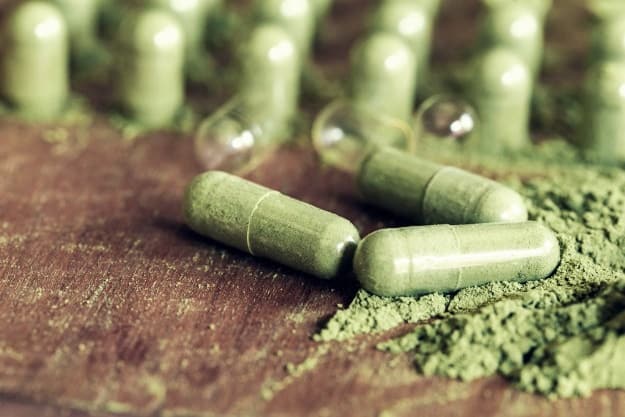
This dual effect has contributed to its reputation as a versatile herbal remedy, useful for a variety of ailments from chronic pain to opioid withdrawal symptoms. In traditional healing systems, high quality kratom strains has long been used by laborers in Southeast Asia to enhance physical endurance and reduce fatigue. It was also utilized to relieve pain and improve mood, often in the form of tea made from the leaves. In addition to its analgesic and stimulating effects, Kratom has been used to treat conditions like diarrhea, anxiety, and depression. It is also seen as a remedy for opioid dependence, with many people using Kratom to mitigate withdrawal symptoms and reduce cravings. This potential has drawn attention from those seeking alternative treatments for addiction, particularly in areas where opioids are prevalent. However, Kratom’s role in natural healing is not without controversy. The U.S. Food and Drug Administration FDA has issued warnings regarding its safety, stating concerns about its potential for abuse and dependence, as well as the variability in potency between different batches of Kratom.
Despite these warnings, many advocates argue that Kratom can be a safe and effective alternative when used responsibly, particularly for those who have not found relief from conventional treatments. The growing interest in Kratom as a natural remedy has sparked both scientific inquiry and public debate. Researchers are exploring its therapeutic potential, particularly its ability to treat chronic pain and opioid addiction. However, the scientific community has yet to reach a consensus on its safety and efficacy. Some studies have shown promising results, while others highlight the need for further research to understand the long-term effects of Kratom use. The debate continues, with both proponents and critics advocating for better regulation and more comprehensive studies. In conclusion, Kratom’s role in natural healing practices is complex and multifaceted. While it holds promise for certain therapeutic applications, especially in pain management and addiction recovery, its use remains controversial. Those who use Kratom for medicinal purposes should exercise caution and ensure they are well-informed about its potential risks and benefits.


 Mindful eating practices are another innovative approach gaining traction. This technique encourages individuals to become more aware of their eating habits by focusing on the sensory experience of food, including taste, texture, and aroma. Mindful eating helps individuals to slow down and appreciate their meals, reducing impulsive eating and emotional triggers that often lead to weight gain. By cultivating this awareness, people can develop a greater connection to their hunger cues and satiety signals, which is crucial for sustainable weight management. Workshops and classes that teach mindful eating strategies are becoming increasingly popular, highlighting the shift towards holistic, behavioral changes rather than mere calorie counting. In addition, the role of community support in sustainable weight loss cannot be underestimated. Traditional weight loss programs often emphasize individual achievement, but innovative approaches are now fostering group dynamics that encourage shared experiences and accountability. Online platforms and local support groups enable individuals to connect, share challenges, and celebrate successes together. This social aspect can significantly boost motivation and resilience, helping participants to stay committed to their goals.
 This immersive approach allows for a more comprehensive evaluation of the teen’s needs and a tailored treatment plan that addresses their specific challenges. Moreover, residential care provides an environment where teens can develop essential life skills and coping mechanisms. Many programs include educational and recreational activities designed to build self-esteem, enhance social skills, and promote positive behavioral changes. This holistic approach helps teens not only to manage their mental health conditions but also to gain the tools they need to navigate future challenges. The structured routine and supportive community within residential settings can be particularly beneficial for those who struggle with a lack of motivation or difficulty engaging in outpatient therapy. Family involvement is another critical component of residential mental health care. Programs often include family therapy sessions that help to address any underlying family dynamics contributing to the teen’s mental health issues. This collaborative approach ensures that the family is equipped with the knowledge and strategies needed to support their teen’s recovery upon their return home.
 This gradual release allows you to experience the full range of THC’s benefits without the abrupt high that can sometimes accompany other methods of consumption. It is a smooth, controlled way to unwind, making it easier to integrate into your evening routine. In addition to their relaxing properties, Delta 9 THC gummies can also support better sleep. Many people struggle with falling or staying asleep, and these gummies can help by calming the mind and easing the body into a restful state. The gentle, calming effects of THC can promote a more serene sleeping environment, allowing you to wake up refreshed and ready to tackle the day ahead. Another advantage of Delta 9 THC gummies is their consistency. Each gummy is carefully dosed to ensure you receive a reliable amount of THC with every piece. This predictability is especially beneficial if you are new to cannabis or are seeking a consistent way to manage stress and anxiety.