
Mimosa Hostilis, also known as Mimosa tenuiflora, is a plant native to the tropical and subtropical regions of Central and South America. One of the most remarkable parts of this plant is its inner root bark, which has been traditionally used in various forms of natural healing for centuries. The inner root bark of Mimosa Hostilis is revered for its potent medicinal properties and its ability to support a range of physical, emotional, and spiritual well-being. The benefits of Mimosa Hostilis inner root bark stem from its diverse chemical composition, which includes tannins, alkaloids, saponins, and flavonoids. These compounds give the bark its remarkable healing potential. One of the primary medicinal uses of Mimosa Hostilis is in the treatment of skin conditions. The bark is known for its antiseptic and anti-inflammatory properties, which can aid in healing wounds, cuts, and burns. It has also been used to soothe conditions like psoriasis, eczema, and acne due to its ability to calm inflammation and promote skin regeneration. Additionally, the plant’s high levels of antioxidants help protect the skin from oxidative stress, which can lead to premature aging.
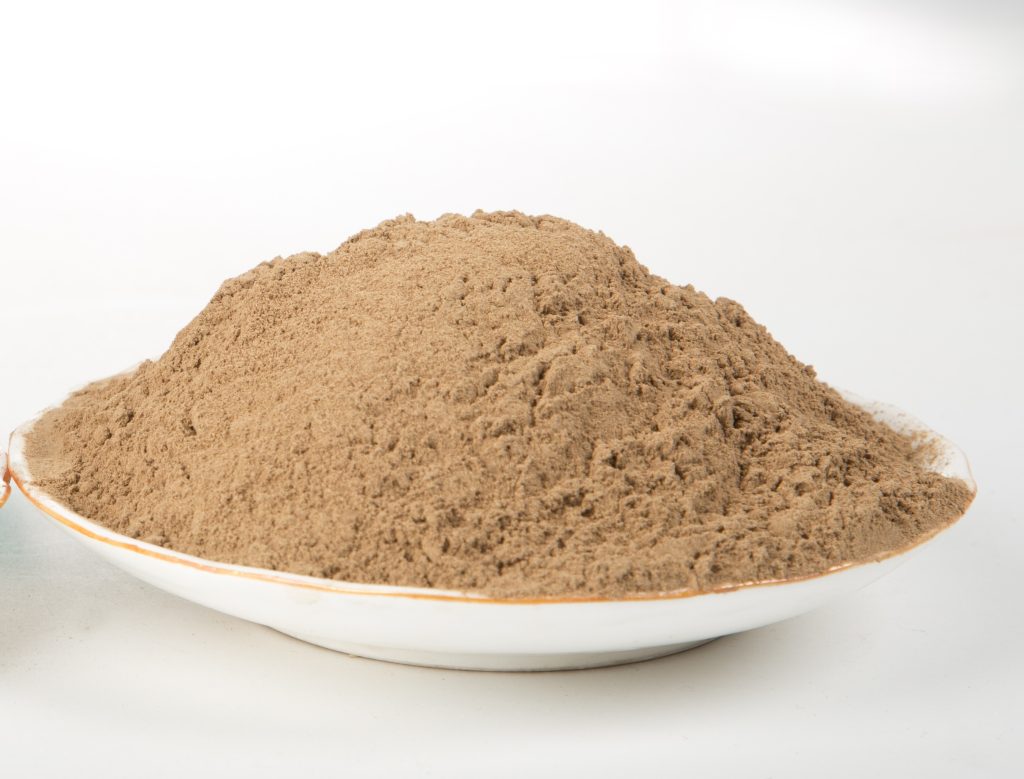
Beyond its topical applications, Mimosa Hostilis Inner Root Bark is also utilized for its internal healing properties. The bark has been known to help with digestive issues, such as diarrhea and indigestion. It is often consumed as a tea or extract to support gastrointestinal health. The astringent nature of the bark can assist in tightening tissues, reducing excess fluid, and soothing the mucous membranes of the digestive tract, which may help alleviate discomfort associated with digestive disorders. Mimosa Hostilis is also gaining recognition for its psychoactive properties. The inner root bark contains a natural compound called DMT dimethyltryptamine, which has been used in spiritual and ritualistic practices for centuries. While DMT is illegal in many countries when consumed in certain forms, the ceremonial use of Mimosa Hostilis in shamanic rituals offers profound emotional and psychological benefits. The compound has the potential to trigger deep introspection, enhance emotional release, and provide a sense of connection with the universe.
Many people who engage in these practices report experiencing heightened awareness, clarity, and spiritual insight, making Mimosa Hostilis a valuable tool for personal growth and healing. The bark’s calming and mood-lifting properties also contribute to its use as a natural remedy for anxiety and depression. The plant’s compounds may promote the release of serotonin and other mood-regulating neurotransmitters, providing a sense of tranquility and emotional balance. Additionally, Mimosa Hostilis has been reported to assist in detoxification, helping the body eliminate harmful toxins and support overall health. Though Mimosa Hostilis inner root bark offers numerous benefits, it is important to approach its use with caution. Due to its psychoactive properties, it should be used responsibly and, where applicable, under the guidance of a professional or experienced practitioner. Furthermore, as with any natural remedy, it is essential to be mindful of potential side effects or interactions with other medications. Mimosa Hostilis inner root bark is a potent natural remedy with a rich history of use in traditional medicine. Whether applied topically for skin conditions, consumed for digestive health, or used in spiritual practices, the benefits of this plant are vast and varied.