
Ever wondered what actually happens when the pros come in to tackle a mold problem? It’s more than just spraying some bleach and hoping for the best! Let’s break down the entire process, step by step, so you know exactly what to expect and why each stage matters.
Step 1: The First Assessment What’s Growing, and Where?
Before anyone starts yanking out drywall or suiting up in hazmat gear, the first thing a mold remediation team does is figure out exactly what they’re up against. Here’s how it goes:
– Detailed inspection: Pros look for mold in obvious AND hidden spots (think: behind walls, under floors).
– Special tools: They’ll use things like moisture meters and infrared cameras to find sneaky patches of mold you can’t see.
– Mold identification: Some molds are more dangerous than others like black mold (Stachybotrys) or Aspergillus.
– Health risk assessment: They consider how risky the contamination is, especially if there are kids, elderly folks, or people with breathing issues in the home.
Why bother with all this?
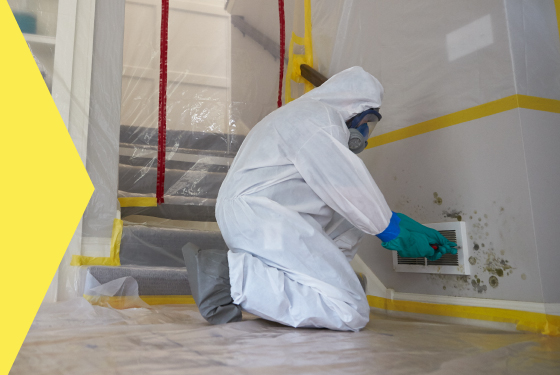
A thorough assessment means the team can create a focused plan no guesswork, no missed mold, and no unnecessary panic. For added peace of mind, some companies offer guaranteed mold remediation with free testing in Ct, making it easier to know exactly what you’re dealing with before any work begins.
Step 2: Containment Stopping Mold in Its Tracks
Once the trouble spots are mapped out, it’s time to prevent mold from spreading like wildfire during cleanup. Here’s what that looks like:
– Physical barriers: Plastic sheeting goes up to seal off contaminated areas.
– Negative air pressure: Machines create airflow that pulls air (and mold spores) into filters instead of letting it escape.
– HEPA air filters: These capture even the tiniest airborne spores.
– Personal protective equipment (PPE): Think respirators, gloves, and protective suits no one’s taking chances.
– Restricted access: Signs go up, and only trained technicians go in or out.
The goal:
Keep mold from invading other rooms and keep everyone safe, from the crew to your family (including pets!).
Step 3: Removal Out with the Old (and Moldy)
Now comes the “dirty work” literally. Here’s how moldy materials get handled:
– Sorting: Techs separate what can be cleaned from what needs to go.
– Porous items (like drywall or carpeting): Usually tossed if moldy.
– Non-porous surfaces (metal, glass): Cleaned and disinfected.
– Careful removal: Everything contaminated gets sealed in heavy-duty bags before it leaves the house.
– Constant safety: PPE stays on, and everything is done to avoid stirring up more spores.
Why so careful?
Because disturbing mold can send spores flying, making the problem worse or risking your health.
Step 4: Cleaning, Disinfecting, and Drying No Spores Left Behind
After the visible mold is gone, it’s time to get serious about cleaning:
– Deep cleaning: Using special brushes, vacuums with HEPA filters, and mold-killing solutions.
– Disinfection: Spraying or wiping down surfaces with EPA-approved biocides or fungicides.
– Drying it out: Industrial fans and dehumidifiers work overtime to eliminate every last bit of moisture.
– Humidity control: Technicians aim for indoor humidity below 50% because mold LOVES moisture.
Bottom line:
No moisture = no mold comeback. This is key for making sure your home stays safe long after the crew leaves.
Step 5: Post-Treatment Inspection Did It Work?
The team doesn’t just pack up and disappear. Here’s what happens after the cleanup:
– Final check: Using moisture meters and air sampling to make sure all mold is gone.
– Looking for trouble: Double-checking for any lingering dampness or hidden mold.
– Humidity check: Making sure your home’s humidity is staying low.
Pro Tips for Mold Prevention:
– Keep indoor humidity under 60% (ideally below 50%).
– Fix leaks as soon as you spot them.
– Use exhaust fans in bathrooms, kitchens, and laundry rooms.
– Regularly check for water stains or musty smells in hidden areas.
Techs will usually give you a written report and some practical tips for keeping mold away for good.
The Takeaway
Professional mold remediation is a lot more than a quick clean-up. From the first inspection to the final air test, every step is about keeping your home clean, dry, and healthy. If you ever spot mold, don’t panic just know the pros have a plan, and now, so do you!